



Find the right therapist near me in Crystal Lake, IL with Rosecrans & Associates. Compassionate, evidence-based family care. Call (847) 461-8414 today.

Summer can be an exciting time for teens—filled with vacations, swimming, sports, social gatherings, and more time spent with friends. However, summer can also bring increased pressure around appearance and body image. With more time in shorts, swimsuits, and summer clothing, many teens may become more aware of their bodies and compare themselves to others. Body image struggles are common during adolescence, but they can become overwhelming when teens begin to feel shame, anxiety, or distress about their appearance. As a parent, your support, understanding, and encouragement can make a meaningful difference. Here are practical ways to help your teen develop a healthier relationship with their body this summer. Understand Why Summer Can Be Challenging for Teen Body Image Teenagers are already navigating major physical, emotional, and social changes. During the summer months, body image concerns may increase because of: • More frequent social media exposure and comparison • Pressure to look a certain way for vacations, events, or photos • Increased focus on swimwear and clothing choices • Comments from peers or family members about weight or appearance • Unrealistic beauty and fitness standards promoted online It is important to remember body image is not just about how a teen looks—it is about how they feel about themselves and how they believe others see them. Tips for Supporting Your Teen’s Body Image This Summer 1. Create a Positive Conversation About Bodies The way parents talk about bodies has a powerful impact on teens. Try to avoid negative comments about your own body, dieting, or other people’s appearances. Instead of: • “I need to lose weight before we go on vacation.” Try: • “I want to focus on feeling strong, healthy, and enjoying our time together.” Help your teen understand that bodies come in many different shapes and sizes, and their worth is not determined by their appearance. 2. Focus on What Their Body Can Do Encourage your teen to appreciate their body for its abilities rather than only how it looks. Examples: • “Your body allows you to play the sports you love.” • “Your body helps you experience adventures with friends.” • “Your body deserves care and respect.” This shift can help teens develop body appreciation instead of focusing only on appearance. 3. Be Mindful of Social Media Influence Social media can contribute to unrealistic expectations about beauty, fitness, and appearance. Many online images are filtered, edited, posed, or carefully selected. Encourage your teen to: • Follow accounts that promote confidence and positivity • Unfollow accounts that make them feel inadequate • Teach social media literacy and the fallacies of social media • Teach how the use of filters can alter images, so what is seen is not always the truth • Take breaks from social media when needed • Remember that online images rarely show the full picture Have open conversations about how social media affects their mood and self-esteem. 4. Avoid Making Food the Enemy Summer often comes with increased messages about dieting, “summer bodies,” or needing to change before wearing certain clothing. These messages can negatively affect teens. Encourage balanced habits by: • Eating a variety of nourishing foods and have an inclusive diet • Label the foods by what they are, such as calling a cookie and cookie instead of referring to it as a “treat” or “dessert" • Enjoying less healthy food items without guilt • Avoiding labeling foods as “good” or “bad” and try “more” or “less healthy” • When talking about limits to less healthy foods, explain the reasons for limitations that do not include body size or appearance but rather the health reasons • Focusing on energy, health, and enjoyment A healthy relationship with food is an important part of a healthy relationship with the body. 5. Help Your Teen Find Comfortable Summer Activities Encourage activities that make your teen feel confident and connected rather than focused on appearance. Examples include: • Swimming for fun • Walking or hiking • Creative hobbies • Spending time with supportive friends • Outdoor activities they enjoy The goal is to help teens experience their bodies as something they live in and enjoy—not something they need to constantly evaluate. 6. Listen Before Trying to Fix the Problem If your teen shares body image concerns, try to listen with curiosity and compassion. You might say: • “That sounds really difficult. I’m glad you told me.” • “I can understand why that would feel upsetting.” • “How can I support you right now?” Immediately dismissing their feelings with comments like “You look fine” or “Don’t worry about it” may unintentionally make them feel unheard. 7. Watch for Signs That Your Teen May Need Additional Support Some body image concerns are part of normal development, but certain signs may indicate your teen is struggling more deeply. Consider seeking additional support if you notice: • Avoiding social events, swimming, or activities they once enjoyed • Excessive mirror checking or avoiding mirrors • Frequent negative comments about their appearance • Changes in eating habits or exercise patterns • Increased anxiety, sadness, or isolation • Spending significant time comparing themselves to others • Low self-esteem affecting daily life How Mental Health Therapy Can Help With Body Image Concerns Therapy can be a valuable resource for teens who are struggling with body image, confidence, self-esteem, or related emotional challenges. A mental health therapist provides a safe, supportive environment where teens can talk openly without fear of judgment. Therapy can help teens: • Identify and challenge negative thoughts about themselves • Build healthier self-esteem and confidence • Develop coping skills for social pressure and comparison • Improve emotional regulation and self-compassion • Explore the connection between thoughts, feelings, and behaviors • Develop a more balanced relationship with food, exercise, and appearance A therapist can also help parents learn effective ways to communicate, provide support, and respond to their teen’s struggles. Family therapy or parent guidance sessions may be helpful when body image concerns impact relationships at home. Seeking therapy does not mean something is “wrong” with your teen. It can be a proactive step toward helping them build resilience, confidence, and a healthier sense of self. Frequently Asked Questions About Teen Body Image Issues

Learn what medical trauma is, common symptoms, causes, and how therapy at Rosecrans & Associates in Algonquin, IL can help you heal from traumatic medical experiences.

Learn what it means to be intersex, how people explore intersex identity, common mental health challenges, FAQs, and how Rosecrans & Associates in Algonquin, IL can help.

Learn how intersectionality impacts mental health, common challenges, FAQs, and how inclusive therapy in Algonquin, IL at Rosecrans & Associates can help.

Learn the signs and symptoms of trauma and PTSD, explore mental health treatment options, and discover how trauma-informed care and therapy can support healing and emotional well-being.

In a world that’s becoming more inclusive and self-aware, identity exploration —especially gender exploration —is more visible, valid, and supported than ever before. Whether you're questioning aspects of who you are, how you relate to others, or how you express yourself, exploring your identity is a deeply personal and transformative journey. For many, this process can feel confusing, isolating, or overwhelming—especially without safe spaces to unpack those thoughts. That’s where mental health therapy can offer guidance, support, and affirmation. What Is Identity Exploration? Identity exploration is the process of discovering and understanding the core aspects of who you are. This may include: Gender identity (how you experience and express your gender) Sexual orientation Cultural or racial identity Religious/spiritual beliefs Values, roles, and personal goals It’s completely normal—and healthy—to question and reassess your identity throughout your life, especially during periods of growth, transition, or challenge. What Is Gender Exploration? Gender exploration is the process of examining your own sense of gender and how it aligns—or doesn’t—with societal expectations or the gender assigned at birth. It may involve: Questioning whether you identify as male, female, nonbinary, genderfluid , or another identity Exploring gender expression (how you present your gender through clothing, mannerisms, etc.) Understanding the difference between gender identity, gender expression, and sexual orientation Trying new pronouns or names Navigating social, medical, or legal transitions For some, this process results in identifying as transgender, nonbinary, agender, or gender-nonconforming . For others, it may be an ongoing or fluid experience. Why Identity and Gender Exploration Matter Exploring identity is not about “changing” who you are—it’s about uncovering your authentic self . Suppressing or ignoring your internal truths can lead to: Anxiety and depression Low self-esteem or self-worth Disconnection from others or yourself Shame, confusion, or isolation Affirming your identity—whatever it may be—can lead to: Increased self-confidence Greater emotional resilience Healthier relationships A stronger sense of purpose and alignment How Mental Health Therapy Can Support Identity and Gender Exploration Therapy provides a safe, nonjudgmental space to explore and express your identity—especially when it feels confusing, scary, or overwhelming. A therapist can help by: 1.Affirming Your Process Therapists trained in gender-affirming and identity-affirming care understand the nuances of identity development and will meet you where you are. 2. Offering Emotional Support Exploring your identity can come with grief, fear, or loss—especially if you're facing rejection, stigma, or internalized shame. 3. Helping You Cope With External Reactions Therapy can help you navigate difficult conversations with family, friends, or co-workers, and cope with discrimination or misunderstanding. 4. Building Self-Esteem and Resilience Exploring who you are takes courage. Therapy supports you in developing a stronger sense of self-worth and confidence in your identity. 5. Connecting You With Resources A therapist can help guide you toward LGBTQIA+ community support groups, medical professionals, and affirming social spaces. You Don’t Have to Have It All Figured Out Exploration is not a straight line. It’s okay to: Change your mind Be unsure Use different labels over time Choose not to label yourself at all Therapy isn’t about telling you who you are. It’s about helping you discover that for yourself —safely, with compassion and care. Start Your Journey With Support If you're questioning your identity or gender—or just want a safe place to explore without judgment—therapy can help. Our Clinicians specialize in gender identity, LGBTQIA+ issues, and identity exploration. Take your first step toward clarity and self-acceptance.

If you would like to learn more about BED, emotional eating, and eating behaviors please give us a call at 847-461-8414 . Megan Rosecrans Psy.D. LCP Licensed Clinical Health Psychologist Resources:

If you have any more questions about hypnosis, do not hesitate to contact us at 847-461-8414 . Megan Rosecrans Psy.D. LCP Licensed Clinical Health Psychologist References: Yapko, M. D. (2012). Trancework. New York, NY: Taylor & Francis Group

If you would like to schedule a Presurgical Spinal Stimulator Evaluation, please call us at 847-461-8414 . Megan Rosecrans Psy.D. LCP Licensed Clinical Health Psychologist

Have questions that were not addressed above? Give us a call at 847-461-8414 and we will be more than happy to answer your questions.

People try many different ways to lose weight, and can still struggle. There are fad diets and procedures that claim they can help you lose weight fast, but most of these are short term solutions. Any diet, medication, or procedure works as long as you follow the restrictions or rules of that method. Once you stop, the weight can quickly return. This is because the underlying eating behaviors have not been changed. Successful weight management is a lifestyle change. Therapy for weight management helps to identify what behaviors and emotions interfere with our eating habits and weight loss. Once these are identified, an individualized treatment plan and behavioral strategies are created. Some of the topics therapy addresses include Emotional eating (eating when bored, stressed, anxious, sad, frustrated, mad, etc.) Accessibility to food Binge eating Going out to eat and ordering food Attending gatherings with friends and family Finding fast-food Understanding the nutrition label Meal planning Preparing meals Finding food on-the-go.

What is Seasonal Affective Disorder (SAD)? Seasonal Affective Disorder typically begins in fall and lasts throughout the winter with remission starting in spring and lasts throughout the summer. This disorder occurs more often in parts of the world with reduced sun exposure during the fall and winter months. The symptoms are limited to the seasons, but the individual can experience significant impairment in several areas of functioning. SAD affects women more than men at a 4:1 ratio. Some of the biological mechanisms underlying SAD include the circadian rhythms, retinal sensitivity to light, neurotransmitter dysfunction, vitamin D deficiency, and serotonin levels (Kurlansik, S. L., & Ibay, A. D., 2012). The causes of SAD are unknown, and are currently being researched. What makes SAD different from Depression? SAD symptoms are similar to depression with a few differences. Unlike Major depression, symptoms of SAD typically begin to reduce with increased sun exposure with the spring months. Individuals can have symptoms of Major Depression and SAD at the same time, and relief of some symptoms with a change in seasons. Some may experience SAD in the summer, though it is quite uncommon. Major Depression includes the following: • Feeling sad most of the day, nearly everyday • Loss of interest in activities • Feeling hopeless or worthless • Changes in appetite/weight • Low energy • Feelings of worthlessness or guilt • Problems with sleep • Feeling sluggish or agitated • Trouble with concentration or making decisions • Loss of interest in sex • Thoughts of death or suicide The symptoms of winter SAD include: • Low Energy • Hypersomnia • Overeating • Weight Gain • Craving for Carbohydrates • Social Withdrawal The symptoms of summer SAD include: • Poor appetite associated with weight loss • Insomnia • Agitation • Restlessness • Anxiety • Episodes of Violent Behavior What are the Risk Factors? Being Female. Females are 4 times more likely to be diagnosed with SAD Living far from the equator. SAD is more frequently diagnosed far north or south of the equator Family History of depression or SAD Having depression or bipolar disorder Younger Age. Younger adults have a higher risk of SAD than older adults. What are the treatments for SAD? Psychotherapy/Cognitive Behavioral Therapy Medication Light Therapy Vitamin D Prevention of SAD

Anxiety is a normal and common human experience. We need anxiety for survival, and in our everyday activities like driving, taking tests, or completing work projects on time. People can experience anxiety during stressful life situations or transitions, such as starting a new school grade, finding a new job, getting married, or moving to a new home. Normal levels of anxiety do not interfere with everyday functioning, such as one’s sleep, diet, social life, and activities at work or school. Generalized Anxiety Disorder (GAD) is one of the most commonly occurring disorders in the United States. The condition is characterized by excessive anxiety or worry, and/or difficulties controlling one’s worry for the past 6 months. The anxiety causes a disruption in functioning, such as difficulties in school, work, trouble falling or staying asleep, and impaired social functioning. GAD can contain the thought of “what if,” and the anxious thoughts are generally focused on the future instead of the present. A core component is a fear of a loss of control (i.e., oneself, the world, work, school, etc.). Those with GAD may have difficulties recognising the limits of their control, and not know how to cope with that limit. They may attempt to control things that are beyond their control in an effort to reduce their anxiety. Excessive worry can include a number of varying topics, such as finances, health, safety, and minor matters (DSM 5; APA, 2013). Those with GAD may engage in multiple thought distortions with the most common being catastrophizing and maximization. Physical sensations of GAD include pounding heart, sweating, eye twitching, fatigue, headaches/migraines, clenched jaw, shallow breathing, and muscle tension (usually in the shoulders and neck). Symptoms of GAD: Excessive anxiety and worry, more days than not for at least 6 months about a number of events or activities (such as work or school performance) Difficulty controlling worry (i.e., it is interfering with functioning) Associated symptoms: Restlessness, feeling keyed up, or on edge Being easily fatigued Difficulty concentrating or mind going blank Irritability Muscle tension Sleep disturbance (trouble falling/staying asleep/waking before the alarm

Losing a pet can be one of the most heart-wrenching experiences a person can face. Our pets are more than just animals; they are family members, confidants, and sources of unconditional love. Understanding the Grief of Pet Loss Grieving the loss of a pet is a natural and profound process. Just like any other loss, it can bring about a range of emotions including sadness, anger, guilt, and even relief. Understanding that these feelings are normal can help you navigate your grief more effectively.

Weight loss surgery can be life-changing, leading to significant physical and emotional transformations. While many individuals experience a boost in self- esteem and improved health, there is a potential risk that often goes unnoticed: addiction swapping. This phenomenon occurs when individuals substitute one addictive behavior for another, such as replacing food addiction with alcohol or other substances. In this blog post, we will explore addiction swapping after weight loss surgery, focusing on alcohol and other commonly addictive substances, while providing tips for managing this risk. What is Addiction Swapping? Addiction swapping refers to the process where individuals who have overcome one addiction, often related to food, may turn to another substance or behavior, such as alcohol, prescription medications, or even illicit drugs, as a coping mechanism. After weight loss surgery, the body undergoes significant changes, which can lead to emotional and psychological challenges. These challenges may cause some individuals to seek comfort or escape from other addictive substances.

Bariatric surgery, a life-changing procedure designed to help individuals struggling with severe obesity, can significantly impact a person’s physical health. However, the emotional and relational effects of the surgery are often underestimated. Couples who experience bariatric surgery together may face unique challenges that can strain their relationship. Understanding the link between bariatric surgery, couples/marital problems, and the need for therapy is crucial for ensuring the success of both the physical and emotional transformation post-surgery. What Does the Research Say: Marital Stability and Divorce Rates Some studies suggest divorce rates may increase after bariatric surgery, especially if significant psychological or emotional challenges emerge post-surgery. These challenges may include feelings of inadequacy, tension over changing roles, or unmet expectations about the post-surgery life. However, other research indicates that marital stability is not significantly affected by surgery and that relationships often improve if both partners are supportive and adaptable.

If you and your spouse face challenges post-surgery, seeking professional guidance at Rosecrans & Associates can be the first step toward healing and strengthening your relationship. We have trained professionals with specific experience and expertise for those who are going through bariatric surgery. Schedule an Appointment Today References: • Boelen, P. A., van den Hout, M. A., & van den Bout, J. (2006). Cognitive behavioural therapy for complicated grief: A pilot study. Behaviour Research and Therapy, 44(3), 307-314. • Bonanno, G. A. (2009). The Other Side of Sadness: What the New Science of Bereavement Tells Us About Life After Loss. Basic Books. • Bowlby, J. (1980). Attachment and Loss: Volume 3: Loss. Basic Books. • Dearing, R. L., et al. (2018). Mindfulness-based stress reduction for grief. Journal of Clinical Psychology, 74(6), 1107-1119. • Doka, K. J. (2002). Disenfranchised Grief: New Directions, Challenges, and Strategies for Practice. Research Press. • Germer, C. K. (2005). Mindfulness and psychotherapy. Guilford Press. • Gillies, J., & Neimeyer, R. A. (2006). Loss, Grief, and the Search for Meaning: Grief Counseling and the Mental Health Practitioner. Routledge. • Markowitz, J. C., et al. (2011). Interpersonal psychotherapy for depression: A meta-analysis. American Journal of Psychiatry, 168(12), 1182-1190. • Neimeyer, R. A. (2001). Reconstructing the Meaning of Loss. In R. A. Neimeyer (Ed.), Meaning Reconstruction & the Experience of Loss (pp. 1-18). American Psychological Association. • Parkes, C. M. (2001). The Mind of the Mourner. In D. Klass, P. R. Silverman, & S. L. Nickman (Eds.), Continuing Bonds: New Understandings of Grief (pp. 17-30). Taylor & Francis. • Shear, M. K., et al. (2011). Treatment of complicated grief: A randomized controlled trial. JAMA, 306(11), 1220-1229. • Stroebe, M., & Schut, H. (1999). The Dual Process Model of Coping with Bereavement: A Decade of Development. Death Studies, 23(3), 197-224. • Worden, W. (2009). Grief Counseling and Grief Therapy: A Handbook for the Mental Health Practitioner (4th ed.). Springer Publishing. • Zisook, S., & Shear, M. K. (2009). Grief and Bereavement: What We Know, What We Don’t, and What We Need to Know. Focus: The Journal of Lifelong Learning in Psychiatry, 7(2), 265-275.

Grief and loss are universal experiences, yet they are profoundly personal. Whether it’s the death of a loved one, the end of a significant relationship, or the loss of a dream or career, the process of mourning and coping with loss can take many forms. Understanding grief, its different types, and evidence-based treatments can help individuals navigate these challenging emotions with greater resilience. What Is Grief? Grief is the emotional, physical, and psychological response to loss. It’s an experience that can be triggered by many different types of loss, including the death of someone close, the end of a relationship, betrayal, the loss of a job, or even significant life transitions, such as moving or retirement. At its core, grief reflects the gap between what we have and what we’ve lost. This gap can create feelings of emptiness, confusion, and sorrow. It’s important to understand that grief doesn’t follow a linear path; it’s a fluid, often unpredictable journey that can last weeks, months, or even years. While it can be profoundly painful, grief can also be transformative, leading to growth and personal resilience.

The holidays are often seen as a time of joy, celebration, and togetherness. However, for many people, the holiday season can trigger feelings of sadness, loneliness, and grief. If you’ve lost a loved one, gone low or no contact, or are navigating a difficult life change, the holidays can be especially challenging. In this blog post, we’ll explore why grief can feel more intense during the holidays and offer practical strategies and treatments to help you cope with your loss during this emotionally charged time. Why Grief Feels More Intense During the Holidays Grief is a deeply personal experience, and its intensity can fluctuate over time. However, certain aspects of the holiday season can make grief feel even more overwhelming:

The holiday season is often seen as a time for family reunions, joy, and celebration. But for many people, the holidays can bring up difficult emotions, especially when navigating complex family dynamics. Whether due to unresolved conflicts, toxic relationships, or the need for emotional space, some people may choose low-contact or no-contact strategies with family members during the holidays. In this blog post, we’ll explore the differences between low-contact and no-contact, why people choose these options, and how to manage them in a healthy and respectful way. We’ll also discuss how to prioritize your emotional well-being during this time, with strategies for healing, self-care, and maintaining boundaries. What Does Low-Contact and No-Contact Mean? Before diving into the implications of low-contact and no-contact during the holidays, it’s important to understand what these terms mean:

Betrayal loss is one of the most painful emotional experiences a person can endure. Unlike other forms of loss, such as the death of a loved one or the end of a relationship, betrayal loss carries a unique kind of hurt. It is a loss not just of a person or situation, but of trust, security, and faith in others. Whether it’s a partner who has been unfaithful, a close friend who has turned their back on you, or a colleague who has undermined your efforts, betrayal can leave deep emotional scars. In this article, we’ll explore what betrayal loss is, why it’s so painful, and how to cope with and heal from the aftermath. What Is Betrayal Loss? Betrayal loss occurs when someone you trust or depend on deceives you, breaks your confidence, or violates your trust in a significant way. The experience is unique in that it involves both the loss of the relationship or bond you had with that person and the loss of your belief in their integrity and loyalty. Common examples of betrayal that can lead to betrayal loss include:

Betrayal trauma is one of the most painful and confusing experiences a person can go through. It occurs when someone you trust—whether a partner, friend, family member, or colleague—betrays you in a profound way. The emotional and psychological impact of betrayal can have long-lasting effects on your mental health, sense of self, and ability to trust others. In this blog post, we’ll explore what betrayal trauma is, the symptoms and effects it can cause, and the treatment options available to help you heal and recover. What is Betrayal Trauma? Betrayal trauma refers to the emotional and psychological harm caused when someone you depend on, trust, or care about betrays you. This type of trauma is unique because it typically involves the violation of a deep bond, making the emotional wound more painful and difficult to process. Betrayal can come in many forms, such as infidelity in a romantic relationship, a close friend’s deceit, or a family member’s manipulation or abandonment. The betrayal may leave the victim feeling disoriented, anxious, or depressed and can often result in profound emotional distress. The trauma occurs not just from the action itself but from the loss of trust and security, which are fundamental to healthy relationships.

Social anxiety and social phobia are often used interchangeably, but there are key differences between the two that are important to understand for both diagnosis and treatment. In this blog post, we’ll explore the distinctions between social anxiety and social phobia, their symptoms, and the most effective treatments for each. Whether you or someone you know struggles with social fears, this guide will provide valuable insights into the condition and how to manage it. What is Social Anxiety? Social anxiety refers to the general fear of being judged or evaluated negatively in social situations. Feeling nervous or uncomfortable in certain social settings is a natural human emotion. However, for those with social anxiety, these feelings are persistent and can affect daily life, relationships, and work. Common symptoms of social anxiety include: Intense fear of being judged or humiliated by others. Physical symptoms like sweating, shaking, or blushing. Avoidance of social situations where one might be the center of attention. Difficulty speaking or interacting in social settings. Constant worry about upcoming social events, sometimes days or weeks in advance. Social anxiety can range from mild to severe. For some, it may cause occasional discomfort, while for others, it significantly interferes with their personal and professional lives.

ADHD (Attention Deficit Hyperactivity Disorder) is a neurological condition that affects both children and adults. It is commonly associated with challenges in focus, self-regulation, impulse control, and organization. While ADHD can impact various areas of life, one of the most profound effects can be on relationships, particularly marriage. In this blog, we will explore how ADHD affects marriages, the common challenges faced, and how couples can manage these issues together. We will also discuss treatment strategies that can help both individuals with ADHD and their partners create a healthier, more fulfilling relationship.

Dating and relationships can be complex for anyone, but for bisexual individuals, there are unique challenges that can make forming and maintaining relationships even more difficult. Despite growing visibility and acceptance of LGBTQ+ people, bisexual individuals still face stigmas, misunderstandings, and prejudices that are often overlooked in discussions about sexuality.

White coat syndrome, also known as white coat hypertension, is a common phenomenon in which patients experience elevated blood pressure levels when they visit a doctor or healthcare setting. The condition is often caused by the stress or anxiety associated with being in a medical environment, leading to temporary spikes in blood pressure. What is White Coat Syndrome? White coat syndrome refers to the increase in blood pressure that some individuals experience during visits to a healthcare provider, especially when interacting with doctors, nurses, or other medical professionals. This elevation is typically short-lived, but it can lead to inaccurate blood pressure readings if not properly managed. The condition is named after the traditional white coats worn by healthcare providers. While it may be temporary, white coat syndrome can be concerning for both patients and doctors, as it may lead to misdiagnosis or unnecessary treatment if not identified correctly.

Navigating Love: The Unique Challenges Trans Individuals Face in Dating, Relationships, and Marriage
In today’s world, relationships and dating are increasingly diverse and inclusive. However, for trans individuals, the journey to love, companionship, and marriage can come with unique and often difficult challenges. From societal biases to misunderstandings about gender identity, dating as a transgender person requires navigating complex emotional, social, and personal terrain. In this blog post, we will explore the unique difficulties trans individuals face in dating, relationships, and marriage, and how they are redefining what love and commitment mean in the context of their gender identity.
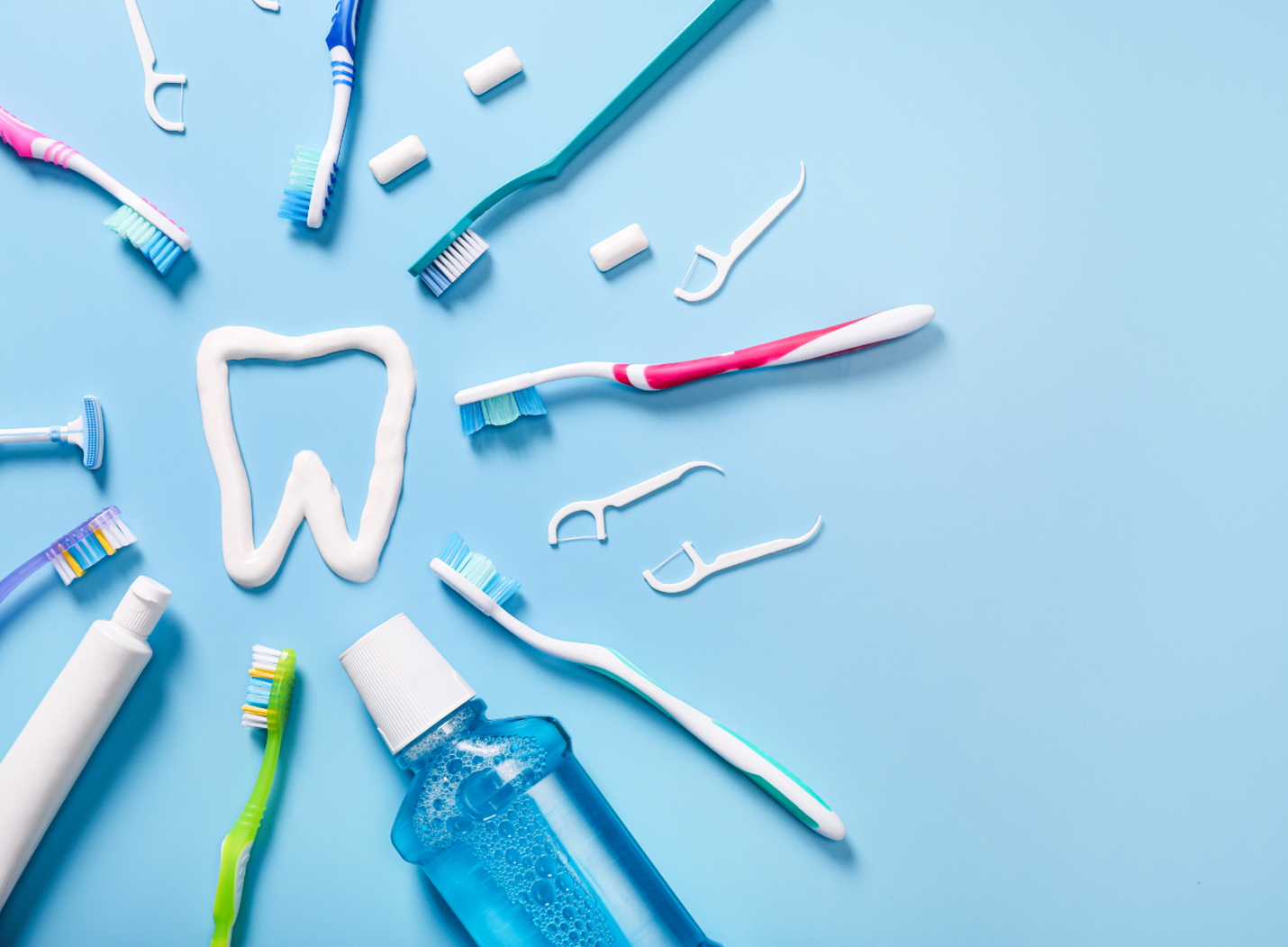
Struggling with dental anxiety? Learn the symptoms, causes, and proven treatments to manage fear of the dentist. Discover helpful tips and treatment for overcoming dental anxiety with clinicians at Rosecrans & Associates. Introduction Dental anxiety is a common but often misunderstood condition that can cause significant distress for many people. Whether it’s the sound of the drill, the fear of pain, or past traumatic experiences, dental anxiety can prevent individuals from seeking necessary dental care. Fortunately, understanding the symptoms of dental anxiety and knowing the various treatment options available can help you or a loved one overcome this fear.

Gender dysphoria is a psychological condition that occurs when a person experiences significant discomfort or distress due to a mismatch between their assigned gender at birth and their identified gender. It’s important to note that gender dysphoria is not a mental illness but rather a condition that affects individuals’ emotional and psychological well-being. In this blog post, we will explore what gender dysphoria is, its symptoms, potential causes, and treatment options, offering insights into how individuals can seek support for this condition.

Health anxiety, often referred to as hypochondria or illness anxiety disorder, is a condition that causes individuals to excessively worry about their health. People experiencing health anxiety are often consumed with fears about having a serious illness, despite having no medical evidence to support these concerns. This form of anxiety can impact everyday life and well-being, leading to constant worry, unnecessary medical tests, and emotional distress. What is Health Anxiety? Health anxiety is a condition where a person frequently fears they are suffering from a serious medical illness, even when no symptoms or diagnosis support this belief. It often involves the constant interpretation of normal bodily sensations as signs of disease, leading to extreme distress. These worries can become all-consuming, and those with health anxiety may visit doctors repeatedly for reassurance or, conversely, avoid seeking medical care out of fear of discovering something serious. Unlike typical anxiety, which is often triggered by specific events or situations, health anxiety is typically centered around the fear of ill health. This fear can be triggered by minor symptoms, news stories about diseases, or even the health issues of others.

How Mental Health Therapy Can Improve Workplace Relationships and Boost Productivity Workplace conflicts are an inevitable part of any professional environment, and navigating them effectively is crucial for maintaining both personal well-being and team productivity. These conflicts can arise between coworkers, between employees and their bosses, or even between managers themselves. The impact of unresolved conflicts can be far-reaching, affecting not only workplace morale but also individual mental health. Fortunately, mental health therapy can offer valuable tools to address these challenges and foster a healthier work environment.

Time blindness and time management challenges are terms that are often used in discussions about productivity and mental health, but many don’t fully understand what they are, how they occur, and who they affect. In today’s fast-paced world, managing time effectively is a skill that many people struggle with, whether due to underlying mental health conditions, neurological differences, or just life’s complexities. This blog will explore what time blindness is, how time management difficulties arise, and how mental health treatment can help individuals regain control. What is Time Blindness? Time blindness is a cognitive condition that makes it difficult for individuals to perceive the passage of time accurately. It often results in people losing track of time, being late for appointments, struggling to complete tasks within deadlines, or feeling overwhelmed by their schedule. Time blindness isn’t just about forgetting time—it’s an inability to gauge how long things will take or remember how much time has passed, which can significantly affect everyday functioning.

Self-compassion is a transformative practice that involves treating yourself with the same kindness, understanding, and support that you would offer to a loved one in times of struggle. Unlike self-esteem, which often relies on achieving goals or comparing yourself to others, self-compassion is about embracing your imperfections and extending warmth to yourself, regardless of external circumstances. In a world where perfectionism and self-criticism often dominate, self-compassion offers a refreshing and empowering alternative. But how can learning to be more self-compassionate benefit you, and how is it utilized in mental health therapy? Let’s dive into the concept, the benefits, and how it plays a crucial role in therapy.

People-pleasing is a common behavior pattern that can have profound effects on an individual’s mental health and relationships. While the desire to make others happy may seem harmless, it can lead to feelings of burnout, resentment, and anxiety. In this blog post, we’ll explore the key traits of people-pleasers, where these behaviors originate, and how they impact relationships. We’ll also discuss how people-pleasing can affect mental health and offer insights into treatment options to help break the cycle.

Trauma and mental health disorders are intricately connected, often leading individuals down a path of complex emotional and behavioral struggles. One of the most common and under recognized connections is the relationship between trauma, Post-Traumatic Stress Disorder (PTSD), and disordered eating, including Binge Eating Disorder (BED). In this post, we will explore how these conditions are linked, the mental health treatment options available, and why it’s crucial to address them together for effective recovery.

Attention Deficit Hyperactivity Disorder (ADHD) can have a significant impact on many areas of a person’s life, including their eating habits. One of the lesser-discussed aspects of ADHD is its connection to disordered eating, particularly impulsive eating and binge eating disorder (BED). These eating behaviors can create additional challenges for individuals already coping with the symptoms of ADHD, making effective treatment essential for improving overall mental health and well-being. What is ADHD? ADHD is a neurodevelopmental disorder that affects an individual’s ability to focus, control impulses, and regulate their behavior and emotions. It is often characterized by symptoms such as: Difficulty paying attention Hyperactivity Impulsivity These symptoms can affect various aspects of life, including relationships, work, and daily activities. One area that often gets overlooked is how ADHD can influence eating behaviors, contributing to the development of disordered eating patterns. For more information about ADHD, click this link to read more about ADHD.

Parenting a child with ADHD (Attention-Deficit/Hyperactivity Disorder) comes with unique challenges that can test your patience, creativity, and resilience. It’s not just about managing everyday parenting tasks—it’s about understanding a different way of thinking, feeling, and behaving. ADHD can significantly impact a child’s ability to focus, regulate emotions, and navigate social situations, making it essential for parents to seek the right strategies and support to help their child thrive. What is ADHD? ADHD is a neurodevelopmental disorder that affects both children and adults. It is characterized by symptoms of inattention, hyperactivity, and impulsivity. These symptoms can vary from person to person but are typically grouped into two main types: Inattentive Type : Difficulty staying focused, following instructions, and organizing tasks. Hyperactive-Impulsive Type : Constant fidgeting, excessive talking, difficulty staying seated, and making impulsive decisions without thinking. For parents, this means they might witness their child struggling with tasks like completing homework, following multi-step instructions, or waiting their turn in social situations. These difficulties can lead to frustration, social challenges, and academic struggles, making it vital for parents to understand their child’s needs and find ways to help them cope effectively.

Religious trauma is a profound and often misunderstood experience that affects individuals who have been exposed to harmful religious practices, beliefs, or environments. This form of trauma occurs when someone’s religious upbringing, community, or practices cause emotional, psychological, and sometimes physical harm. Understanding religious trauma is essential for healing and recovery, as it helps both the individual and their community navigate the complex emotions and struggles that arise from these experiences. What is Religious Trauma? Religious trauma occurs when a person experiences emotional, psychological, or spiritual harm as a result of their religious experiences. It can arise from oppressive or authoritarian religious systems, rigid belief structures, emotional manipulation, guilt, shame, or fear-based teachings. This trauma can manifest in various forms, often influencing one’s sense of identity, relationships, and overall well-being.

Divorce is one of the most emotionally taxing life events a person can experience. It often brings with it profound feelings of grief, loss, and uncertainty, not just for the couple involved but for their children and extended family as well. Understanding the emotional and psychological effects of divorce can help individuals navigate through this difficult time and provide insight into the recovery process. This article explores the grief associated with divorce, the symptoms individuals may experience, its impact on the self and children, and effective treatment strategies for healing.

Losing a child is one of the most profound and devastating experiences a parent can face. The grief that follows is unlike any other, and its impact reverberates throughout every aspect of life, from the individual’s emotional well-being to family dynamics. In this blog post, we will explore the feelings of grief that parents experience, its symptoms, the toll it takes on their sense of self and relationships, and the ways to navigate the painful journey of healing. Whether you’re currently struggling or supporting someone who is, understanding the complexities of this grief is the first step in the healing process.

Parenting is a challenge for any adult, but when you have ADHD and are raising a child with ADHD, the journey can feel overwhelming at times. Attention-deficit hyperactivity disorder (ADHD) is a neurodevelopmental disorder that affects both children and adults, and its symptoms can impact daily life, work, and relationships. In this blog post, we will explore the unique difficulties faced by adults with ADHD who are also raising children with the same condition. We will also discuss the mental health treatments and strategies that can help both parents and children thrive.

Losing a parent is one of life’s most profound and difficult experiences. Whether you’re a child or an adult, the impact of such a loss can be overwhelming. The grief that follows is not just an emotional process but also one that affects your mental health, family dynamics, and financial stability. In this blog post, we will explore the expense of grief, the effects on self and family, symptoms, and how to manage this painful journey.

Experiencing a miscarriage is one of the most devastating and emotionally overwhelming experiences a person can go through. The grief associated with losing a pregnancy can be deeply felt, not only by the individual directly affected but also by their partner, family, and friends. While each person’s experience of miscarriage grief is unique, it’s important to acknowledge and understand the emotional, physical, and psychological toll it takes. In this post, we will explore the grief of miscarriage, its symptoms, the impact it has on individuals and their partners, the family dynamics, and available support and treatment. What is a Miscarriage? A miscarriage, also known as a spontaneous abortion, is the loss of a pregnancy before the 20th week. It occurs in approximately 10-20% of known pregnancies, though the emotional impact can be profound, regardless of how early the loss occurs. The grief experienced in the wake of a miscarriage is complex and multifaceted, affecting the mind, body, and spirit.

In today’s fast-paced world, mental health is more important than ever. Traditional therapies often focus on the mind, but what if the key to mental well-being lies in the connection between mind and body? This is where Somatic Therapy comes into play. Whether you are struggling with stress, trauma, or anxiety, Somatic Therapy offers a holistic approach to healing, integrating the body’s sensations and emotions for a more profound transformation. What is Somatic Therapy? Somatic Therapy is a form of body-focused psychotherapy that emphasizes the connection between the mind and body. The word “somatic” refers to the body, and this therapy is rooted in the understanding that physical sensations and emotions are deeply interconnected. Unlike traditional talk therapy, which primarily focuses on verbal communication, Somatic Therapy allows clients to explore their emotions through bodily sensations, movements, and non-verbal cues. This therapeutic approach draws on the belief that trauma, stress, and unresolved emotions often manifest in the body. By tuning into these bodily sensations, individuals can release pent-up emotions, reduce physical tension, and address underlying psychological issues.

Cravings and food noise are experiences many of us face regularly. Whether it is a sudden urge for chocolate, an intense desire to snack, or persistent thoughts about food that seem hard to ignore, understanding the physiological, psychological, and behavioral causes behind these experiences can be key to managing them effectively. In this blog post, we will dive deep into the science behind cravings and food noise, their symptoms, and the most effective ways to reduce them for better mental and physical well-being. What Are Cravings and Food Noise? Cravings are intense, sometimes uncontrollable desires for specific foods. They often arise suddenly and feel like a need that must be satisfied. Cravings can be triggered by various factors, such as hunger, emotions, stress, or even hormonal changes. On the other hand, food noise refers to the constant stream of thoughts or internal dialogue about food. This can include repetitive thoughts like “What should I eat next?” or “I need to eat something sweet right now.” Unlike cravings, food noise is not necessarily about a specific food but about the idea or concept of eating.

The return to school can be a time of excitement, change, and—for many children and teens—heightened stress and anxiety. Whether your child is starting kindergarten, entering middle school, adjusting to a new school, or facing the pressures of high school, the back-to-school transition often brings emotional and behavioral challenges. And as a parent, it can be hard to know when your child just needs time—or when they may need additional support. Understanding the common challenges kids face and knowing how to support them—along with the help of a trained child or teen therapist—can make the school year a much smoother, healthier experience for the whole family. Common Back-to-School Challenges for Children and Teens Every child is different, but some school-related difficulties are common across age groups. Knowing what to watch for can help you respond with empathy, structure, and support. 1. Back-to-School Anxiety Fear of being away from home (especially in younger children) Worry about academics, peer pressure, or bullying Physical symptoms like stomachaches, headaches, or fatigue 2. Social Stress Navigating new social groups or friendships Fear of judgment or exclusion Difficulty with peer communication or conflict 3. Academic Pressure Worries about grades, tests, or performance Perfectionism or fear of failure Lack of motivation or procrastination (especially in teens) 4. Changes in Routine Difficulty waking up early after summer break Resistance to structured schedules Trouble falling or staying asleep 5. Separation Anxiety or School Refusal Crying, clinging, or meltdowns before school Avoidance behaviors or repeated physical complaints Refusing to go to school altogether Tips & Tricks for Parents to Support the Back-to-School Transition A little preparation and intentional support can go a long way in helping your child or teen adjust emotionally and mentally. 1. Start the Routine Early Begin reintroducing school-time bedtimes, wake-up times, and morning rituals at least a week before school starts to ease the transition. 2. Talk Openly About Feelings Ask open-ended questions: “How are you feeling about going back to school?” “What are you excited or nervous about?” Normalize their fears, and avoid dismissing them. 3. Create Predictability Help your child feel grounded by establishing consistent routines for mornings, meals, homework, and bedtime. Predictability eases anxiety. 4. Practice Problem-Solving Together If your child is worried about something specific (e.g., lunch seating, locker combinations, test-taking), brainstorm solutions together. 5. Encourage Social Connection Set up playdates or meetups before school begins to help kids reconnect with peers. For teens, respect their independence while offering gentle encouragement. 6. Focus on Strengths, Not Just Stress Remind your child of what they’re good at—whether it’s making friends, problem-solving, or adapting to change. Help them approach the year with confidence. 7. Validate, Don’t Minimize Instead of saying, “You’ll be fine,” try, “I can see this is really tough for you—and I’m here to help.” When to Consider Therapy for Your Child or Teen Sometimes, emotional and behavioral challenges go beyond what typical parenting strategies can resolve. Therapy with a licensed child or adolescent therapist can provide invaluable support. Signs your child may benefit from therapy: Ongoing or severe school refusal Panic attacks, nightmares, or intense anxiety Aggressive or withdrawn behavior Drop in grades or motivation Social isolation or bullying Ongoing sleep or appetite issues Self-harm thoughts or behavior (in teens especially) How therapy helps: Teaches coping skills for anxiety, stress, and social issues Improves emotional regulation and resilience Provides a safe space to talk about worries, fears, or identity struggles Enhances communication between parents and children Builds confidence and self-esteem for a successful school year A therapist can also work closely with families to develop individualized strategies that support both your child’s emotional health and academic success. Final Thoughts The back-to-school season can be a mixed bag of emotions—for both kids and parents. And that’s okay. Whether your child is dreading the first day or facing social or academic stress, your support, patience, and presence matter more than you know. And if things feel heavier than usual, there’s no shame in reaching out for professional help. Support Your Child’s Mental Health This School Year Therapy with a child or teen therapist can make all the difference in helping your child manage back-to-school stress and thrive emotionally and academically. In therapy, kids can build emotional resilience and confidence, navigate school anxiety and social stress, and create a smoother, more successful school transition for the whole family Find a child or teen therapist at Rosecrans & Associates and schedule a consultation today at 847-461-8414 . You’re not alone—and neither is your child. Support is here when you need it.

Is your child showing signs of being bullied or afraid of bullying? Learn the emotional and behavioral symptoms, how parents can help, and how therapy supports children who are struggling. The Hidden Pain: Fear of Bullying and Its Lasting Impact on Children Bullying isn’t just a schoolyard problem — it can have serious emotional and psychological consequences that follow a child long after the bullying stops. Whether your child is currently being bullied, fears being targeted, or is showing signs of distress, early support and intervention are essential. Parents often miss the subtle warning signs of bullying until the damage is done. Recognizing the red flags, offering compassionate support, and connecting your child with a mental health therapist can make a powerful difference in helping them feel safe, strong, and heard. The Emotional Toll of Bullying Bullying can be verbal, physical, social (exclusion), or digital (cyberbullying). No matter the form, it can cause: Chronic anxiety Low self-esteem Difficulty trusting peers Fear of school or social situations Depression or suicidal thoughts Some children fear bullying so intensely — even if they haven’t been bullied yet — that it begins to impact their daily life. Others may suffer in silence , unsure how to ask for help or ashamed to speak up. Signs a Child Is Being Bullied (or Afraid of Being Bullied) Here are common signs and symptoms that may indicate your child is being bullied or lives in fear of it: Emotional Signs: Sudden drop in self-confidence Increased anxiety, especially before school Mood swings, irritability, or withdrawal Feelings of helplessness or hopelessness Behavioral Signs: Avoiding school, riding the bus, or group activities Faking illness or frequently asking to stay home Changes in eating or sleeping habits Reluctance to talk about school or peers Physical Signs: Unexplained bruises, scratches, or damaged belongings Frequent headaches or stomachaches Loss of appetite or overeating Academic and Social Signs: Drop in grades or lack of interest in school Avoiding friends or isolating from social situations Spending excessive time alone or online If your child shows several of these signs, they may be experiencing bullying or harboring a deep fear of being targeted. What Parents Can Do: Tips and Advice 1. Create a Safe Space to Talk Let your child know they can come to you with anything — without fear of punishment or judgment. Practice active listening and validate their feelings. 2. Ask Open-Ended Questions Instead of “Did anyone bother you today?” try “Who did you spend time with at lunch?” or “What was the hardest part of your day?” 3. Watch for Subtle Clues Children often don’t say “I’m being bullied.” They might instead say, “No one likes me,” or “I don’t want to go to school.” Take these statements seriously. 4. Document Incidents Keep a record of bullying reports, messages, or physical signs. This can help when addressing the issue with teachers or school administrators. 5. Involve the School Reach out to your child’s teacher, school counselor, or principal with concerns. Ask about anti-bullying policies and how situations are handled. 6. Don’t Minimize or Overreact Telling a child to “toughen up” or immediately contacting the bully’s family can backfire. Respond with calm support and thoughtful action. How Therapy Helps Children Cope with Bullying A child therapist can be a powerful ally in helping your child heal from the effects of bullying and rebuild their confidence. Therapy can help children: Process emotional pain and trauma in a safe space Learn tools for coping with anxiety, shame, and low self-esteem Develop assertiveness skills and healthy boundaries Rebuild a sense of safety and self-worth Learn how to respond to bullying without internalizing it Therapists often use evidence-based techniques like Cognitive Behavioral Therapy (CBT), play therapy, and social skills training to guide children toward emotional healing and resilience. For kids who fear being bullied, therapy can also work proactively — helping them build the confidence and skills to face social challenges before problems escalate. You’re Not Alone — Support Is Here No child should suffer in silence, and no parent should feel helpless. If your child is showing signs of bullying or fear of being bullied, getting help now can prevent long-term emotional harm . Get Help for Your Child Today At Rosecrans & Associates, our compassionate therapists specialize in helping children overcome the emotional impact of bullying and fear of social rejection. We offer a supportive, nonjudgmental space where children can feel safe, empowered, and equipped to navigate their world with confidence. Contact us today at 847-461-8414 to schedule a confidential consultation

Do you and your partner keep having the same argument again and again —only to end up frustrated, disconnected, and no closer to a solution? You’re not alone. Many couples fall into a cycle of recurring fights that never seem to get resolved. These “stuck” arguments often feel like déjà vu: the topic may vary slightly, but the tone, triggers, and outcome are the same. The good news? With the right support, especially through mental health therapy, it’s possible to break the cycle and create healthier communication patterns—both as individuals and as a couple. Why Couples Get Stuck in the Same Argument Repeated arguments aren’t usually about what they seem. Beneath the surface-level conflict (like chores, money, or screen time) are deeper unmet needs, emotional wounds, or communication breakdowns . Here are the most common reasons couples keep having the same unresolved fights: 1. Unmet Emotional Needs One or both partners may feel unheard, unloved, or unimportant—but struggle to express it clearly. 2. Poor Communication Patterns Defensiveness, blame, sarcasm, or stonewalling can turn a small disagreement into a full-blown fight. 3. Unresolved Past Hurts Old wounds get reactivated, even if the current conflict isn’t directly related to them. 4. Different Conflict Styles One partner may want to resolve things immediately, while the other needs space—creating a cycle of push and pull. 5. Lack of Emotional Safety If one or both partners don’t feel safe to be vulnerable, they may react with anger, avoidance, or criticism instead. 6. Assumptions and Mind Reading Rather than asking questions or clarifying intent, partners assume what the other person meant—often inaccurately. How Couples Therapy Helps Break the Cycle Couples therapy provides a structured, neutral space where both partners can be heard, understood, and supported. A trained therapist helps couples: Identify the deeper issues beneath recurring arguments Learn to communicate without blame or reactivity Develop new tools for listening and responding Recognize emotional triggers and learn how to manage them Create new patterns based on empathy, curiosity, and trust Work toward actual resolution, not just temporary peace Even the healthiest relationships experience conflict—what matters is how it’s handled. Therapy helps turn conflict into connection. Why Individual Therapy Matters, Too While couples therapy is powerful, individual mental health therapy is often just as essential. That’s because relationship conflict often brings up p ersonal baggage, trauma, or attachment wounds that go beyond the relationship itself. Individual therapy helps you: Understand your emotional triggers and where they come from Break patterns of avoidance, defensiveness, or people-pleasing Learn to express your needs without guilt or fear Increase emotional regulation and self-awareness Bring your healthiest self into the relationship When each partner does their own inner work, the relationship becomes more resilient, honest, and supportive. 10 Therapist-Backed Tips to Stop the Same Fight from Happening Again Name the pattern. Acknowledge when you’re in the same cycle and pause before escalating. Get curious, not critical. Ask “What’s really going on here?” instead of jumping to conclusions. Use “I” statements. Express how you feel instead of blaming your partner. Slow down. Take a break when emotions are running high. Regulate before you re-engage. Identify emotional needs. What do you really need—reassurance? Space? Validation? Listen to understand, not to win. Try reflecting what your partner said before responding. Recognize your conflict style. Are you a pursuer or a withdrawer? Understanding this helps break the cycle. Stop mind reading. Ask for clarification rather than making assumptions. Focus on repair, not perfection. Conflict is inevitable—what matters is how you reconnect afterward. Seek professional support. A Rosecrans & Associates therapist can help you untangle the root causes of your arguments. Final Thoughts If you and your partner are stuck in the same argument over and over again, it doesn’t mean your relationship is doomed. It means you’ve hit a communication pattern that needs care, attention, and support. Through individual and couples therapy, you can learn to communicate more clearly, understand one another more deeply, and resolve conflict in a way that brings you closer instead of pulling you apart. Ready to Break the Cycle? You don’t have to keep having the same fight. Therapy can help you and your partner communicate, connect, and finally move forward. Start your journey toward better communication today with Rosecrans & Associates. You both deserve peace, clarity, and connection—and therapy can help you get there. Call us at 847-461-8414 to learn more!

Infidelity can devastate a relationship—but understanding why cheating happens is a powerful first step toward healing, accountability, and repair. While betrayal hurts deeply, it’s rarely as simple as “someone just wanted something new.” The truth is: people cheat for many complex reasons , often rooted in emotional, psychological, or relational issues. Whether you’ve strayed in your relationship or are trying to understand a partner who did, mental health therap y can provide the space, tools, and support necessary for healing, clarity, and growth. Why Do People Cheat? Cheating is often a symptom—not just a cause—of deeper individual or relationship struggles. While not every case is the same, here are some of the most common reasons people cheat: 1. Unmet Emotional Needs Some partners cheat because they feel emotionally disconnected or unseen in the relationship. They’re not necessarily seeking someone new—they’re seeking emotional validation. 2. Lack of Sexual Fulfillment Sexual dissatisfaction or mismatched libidos can lead some people to seek physical intimacy elsewhere, especially if open communication about sex is avoided. 3. Low Self-Esteem For some, cheating becomes a way to feel desired, powerful, or “good enough” again—especially if they struggle with their self-worth. 4. Avoidance of Conflict or Vulnerability Instead of addressing difficult conversations, some partners escape through secretive behavior, creating distance and false control. 5. Past Trauma or Attachment Wounds Unresolved trauma, such as childhood neglect or past emotional abuse, can manifest in sabotage behaviors—like infidelity. 6. Impulsivity and Opportunity Sometimes, cheating occurs due to poor impulse control and being in the “wrong place at the wrong time” without clear boundaries. 7. Beliefs About Monogamy Some people may not be aligned with monogamy—but instead of having open conversations, they act outside the relationship due to fear or shame. 8. Revenge or Retaliation Infidelity can sometimes be a response to betrayal or hurt, whether real or perceived, becoming an unhealthy form of punishment. 9. Crisis Points or Major Life Stressors Major life changes—such as a new baby, job loss, or grief—can destabilize a relationship, leading one partner to seek control or comfort externally. How Mental Health Therapy Can Help the Unfaithful Partner If you’ve been unfaithful, therapy is not about blaming or excusing your actions—it’s about understanding them so you can change harmful patterns , take accountability , and become a healthier partner moving forward. Individual therapy helps the straying partner: Understand what led to the betrayal Process guilt, shame, and regret Identify underlying emotional needs or unresolved trauma Develop communication and emotional regulation skills Create healthy relationship boundaries and repair trust Clarify what you truly want in a relationship Facing your actions in therapy can be uncomfortable—but it’s a courageous and essential step toward healing. How Couples Therapy Helps After Infidelity If both partners are willing to work through the pain, couples therapy after cheating offers a guided, safe space to rebuild the relationship from the ground up. A skilled therapist can help the couple: Facilitate honest, structured conversations about the betrayal Understand the “why” behind the cheating without justifying it Validate both partners’ emotional experiences Rebuild emotional safety and set new boundaries Re-establish trust through transparency and shared effort Determine whether and how to move forward as a couple Even if you ultimately decide not to stay together, therapy can bring closure, understanding, and personal growth for both partners. 10 Therapist-Approved Tips for Healing After Cheating Don’t sweep it under the rug. Infidelity must be addressed head-on with honesty and professional support. Take full accountability. If you cheated, own your actions without defensiveness, even if there were relationship issues. Seek individual therapy. Work through your own issues that contributed to the behavior. Prioritize your partner’s healing timeline. Don’t rush forgiveness or pressure them to “move on.” Be fully transparent. Rebuilding trust requires openness, especially about communication, whereabouts, and expectations. Practice radical honesty. Share your needs and triggers instead of hiding them. Set clear relationship boundaries. Whether monogamous or not, define what trust looks like now. Use therapy as a tool, not a punishment. Growth happens when both people are invested in the process. Take care of your mental health. Guilt, anxiety, and depression are common post-affair—address them head-on. Understand that healing takes time. Rebuilding a relationship after betrayal is a marathon, not a sprint. Final Thoughts Cheating doesn’t have to be the end of your story—but it must be a wake-up call. Whether you’re the partner who strayed or the one betrayed, therapy offers a path forward rooted in truth, compassion, and healing. Facing infidelity with the right support can transform pain into growth—individually and together. Ready to Start Your Healing Journey? Don’t navigate infidelity alone. Therapy can help you understand what happened, rebuild trust, and reclaim your relationship—or your sense of self. Take the first step toward healing now. You deserve clarity, accountability, and a chance to heal—therapy can help get you there. Call us at 847-461-8414 to set up an appointment with one of our specialties therapists.