

If you would like to learn more about BED, emotional eating, and eating behaviors please give us a call at 847-461-8414 . Megan Rosecrans Psy.D. LCP Licensed Clinical Health Psychologist Resources:

If you have any more questions about hypnosis, do not hesitate to contact us at 847-461-8414 . Megan Rosecrans Psy.D. LCP Licensed Clinical Health Psychologist References: Yapko, M. D. (2012). Trancework. New York, NY: Taylor & Francis Group
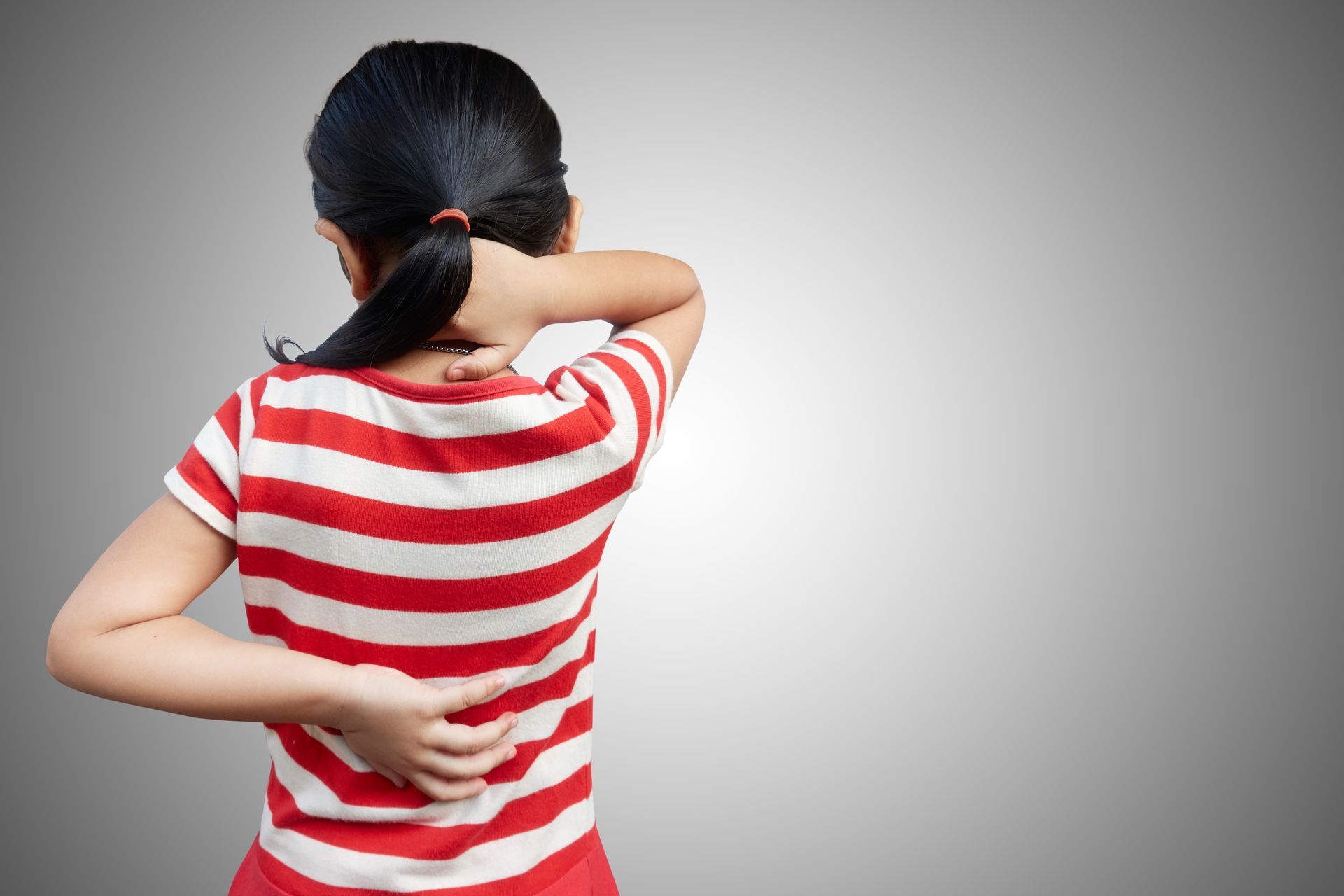
If you would like to schedule a Presurgical Spinal Stimulator Evaluation, please call us at 847-461-8414 . Megan Rosecrans Psy.D. LCP Licensed Clinical Health Psychologist

Have questions that were not addressed above? Give us a call at 847-461-8414 and we will be more than happy to answer your questions.

People try many different ways to lose weight, and can still struggle. There are fad diets and procedures that claim they can help you lose weight fast, but most of these are short term solutions. Any diet, medication, or procedure works as long as you follow the restrictions or rules of that method. Once you stop, the weight can quickly return. This is because the underlying eating behaviors have not been changed. Successful weight management is a lifestyle change. Therapy for weight management helps to identify what behaviors and emotions interfere with our eating habits and weight loss. Once these are identified, an individualized treatment plan and behavioral strategies are created. Some of the topics therapy addresses include Emotional eating (eating when bored, stressed, anxious, sad, frustrated, mad, etc.) Accessibility to food Binge eating Going out to eat and ordering food Attending gatherings with friends and family Finding fast-food Understanding the nutrition label Meal planning Preparing meals Finding food on-the-go.

What is Seasonal Affective Disorder (SAD)? Seasonal Affective Disorder typically begins in fall and lasts throughout the winter with remission starting in spring and lasts throughout the summer. This disorder occurs more often in parts of the world with reduced sun exposure during the fall and winter months. The symptoms are limited to the seasons, but the individual can experience significant impairment in several areas of functioning. SAD affects women more than men at a 4:1 ratio. Some of the biological mechanisms underlying SAD include the circadian rhythms, retinal sensitivity to light, neurotransmitter dysfunction, vitamin D deficiency, and serotonin levels (Kurlansik, S. L., & Ibay, A. D., 2012). The causes of SAD are unknown, and are currently being researched. What makes SAD different from Depression? SAD symptoms are similar to depression with a few differences. Unlike Major depression, symptoms of SAD typically begin to reduce with increased sun exposure with the spring months. Individuals can have symptoms of Major Depression and SAD at the same time, and relief of some symptoms with a change in seasons. Some may experience SAD in the summer, though it is quite uncommon. Major Depression includes the following: • Feeling sad most of the day, nearly everyday • Loss of interest in activities • Feeling hopeless or worthless • Changes in appetite/weight • Low energy • Feelings of worthlessness or guilt • Problems with sleep • Feeling sluggish or agitated • Trouble with concentration or making decisions • Loss of interest in sex • Thoughts of death or suicide The symptoms of winter SAD include: • Low Energy • Hypersomnia • Overeating • Weight Gain • Craving for Carbohydrates • Social Withdrawal The symptoms of summer SAD include: • Poor appetite associated with weight loss • Insomnia • Agitation • Restlessness • Anxiety • Episodes of Violent Behavior What are the Risk Factors? Being Female. Females are 4 times more likely to be diagnosed with SAD Living far from the equator. SAD is more frequently diagnosed far north or south of the equator Family History of depression or SAD Having depression or bipolar disorder Younger Age. Younger adults have a higher risk of SAD than older adults. What are the treatments for SAD? Psychotherapy/Cognitive Behavioral Therapy Medication Light Therapy Vitamin D Prevention of SAD

Anxiety is a normal and common human experience. We need anxiety for survival, and in our everyday activities like driving, taking tests, or completing work projects on time. People can experience anxiety during stressful life situations or transitions, such as starting a new school grade, finding a new job, getting married, or moving to a new home. Normal levels of anxiety do not interfere with everyday functioning, such as one’s sleep, diet, social life, and activities at work or school. Generalized Anxiety Disorder (GAD) is one of the most commonly occurring disorders in the United States. The condition is characterized by excessive anxiety or worry, and/or difficulties controlling one’s worry for the past 6 months. The anxiety causes a disruption in functioning, such as difficulties in school, work, trouble falling or staying asleep, and impaired social functioning. GAD can contain the thought of “what if,” and the anxious thoughts are generally focused on the future instead of the present. A core component is a fear of a loss of control (i.e., oneself, the world, work, school, etc.). Those with GAD may have difficulties recognising the limits of their control, and not know how to cope with that limit. They may attempt to control things that are beyond their control in an effort to reduce their anxiety. Excessive worry can include a number of varying topics, such as finances, health, safety, and minor matters (DSM 5; APA, 2013). Those with GAD may engage in multiple thought distortions with the most common being catastrophizing and maximization. Physical sensations of GAD include pounding heart, sweating, eye twitching, fatigue, headaches/migraines, clenched jaw, shallow breathing, and muscle tension (usually in the shoulders and neck). Symptoms of GAD: Excessive anxiety and worry, more days than not for at least 6 months about a number of events or activities (such as work or school performance) Difficulty controlling worry (i.e., it is interfering with functioning) Associated symptoms: Restlessness, feeling keyed up, or on edge Being easily fatigued Difficulty concentrating or mind going blank Irritability Muscle tension Sleep disturbance (trouble falling/staying asleep/waking before the alarm

Losing a pet can be one of the most heart-wrenching experiences a person can face. Our pets are more than just animals; they are family members, confidants, and sources of unconditional love. Understanding the Grief of Pet Loss Grieving the loss of a pet is a natural and profound process. Just like any other loss, it can bring about a range of emotions including sadness, anger, guilt, and even relief. Understanding that these feelings are normal can help you navigate your grief more effectively.

Weight loss surgery can be life-changing, leading to significant physical and emotional transformations. While many individuals experience a boost in self- esteem and improved health, there is a potential risk that often goes unnoticed: addiction swapping. This phenomenon occurs when individuals substitute one addictive behavior for another, such as replacing food addiction with alcohol or other substances. In this blog post, we will explore addiction swapping after weight loss surgery, focusing on alcohol and other commonly addictive substances, while providing tips for managing this risk. What is Addiction Swapping? Addiction swapping refers to the process where individuals who have overcome one addiction, often related to food, may turn to another substance or behavior, such as alcohol, prescription medications, or even illicit drugs, as a coping mechanism. After weight loss surgery, the body undergoes significant changes, which can lead to emotional and psychological challenges. These challenges may cause some individuals to seek comfort or escape from other addictive substances.

Bariatric surgery, a life-changing procedure designed to help individuals struggling with severe obesity, can significantly impact a person’s physical health. However, the emotional and relational effects of the surgery are often underestimated. Couples who experience bariatric surgery together may face unique challenges that can strain their relationship. Understanding the link between bariatric surgery, couples/marital problems, and the need for therapy is crucial for ensuring the success of both the physical and emotional transformation post-surgery. What Does the Research Say: Marital Stability and Divorce Rates Some studies suggest divorce rates may increase after bariatric surgery, especially if significant psychological or emotional challenges emerge post-surgery. These challenges may include feelings of inadequacy, tension over changing roles, or unmet expectations about the post-surgery life. However, other research indicates that marital stability is not significantly affected by surgery and that relationships often improve if both partners are supportive and adaptable.